Buying Guides
Private-Label Sheet Metal Machines
Seven questions distributors should ask before private-labeling sheet metal machines, including manufacturing, branding, samples, lead time and support.
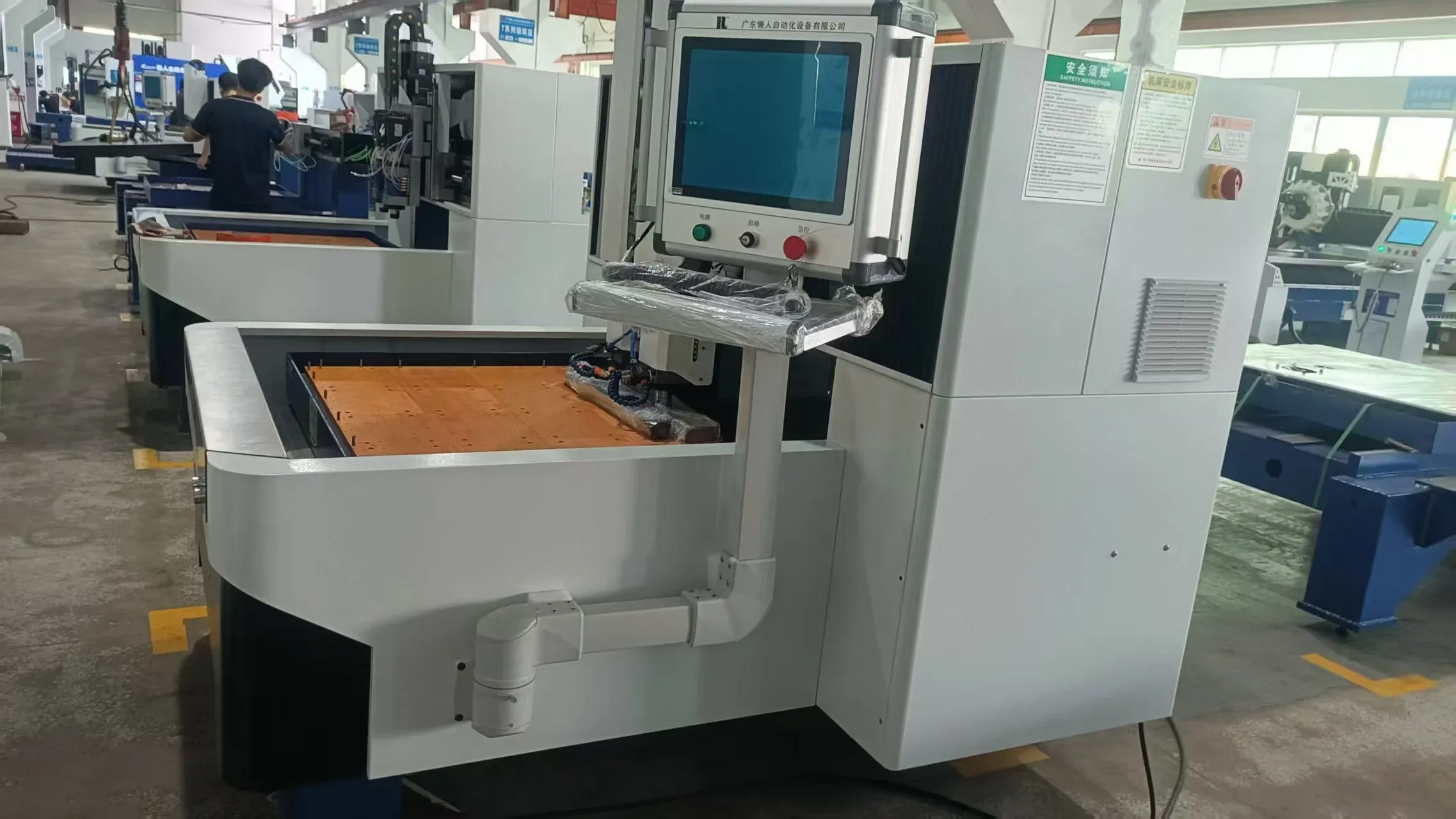
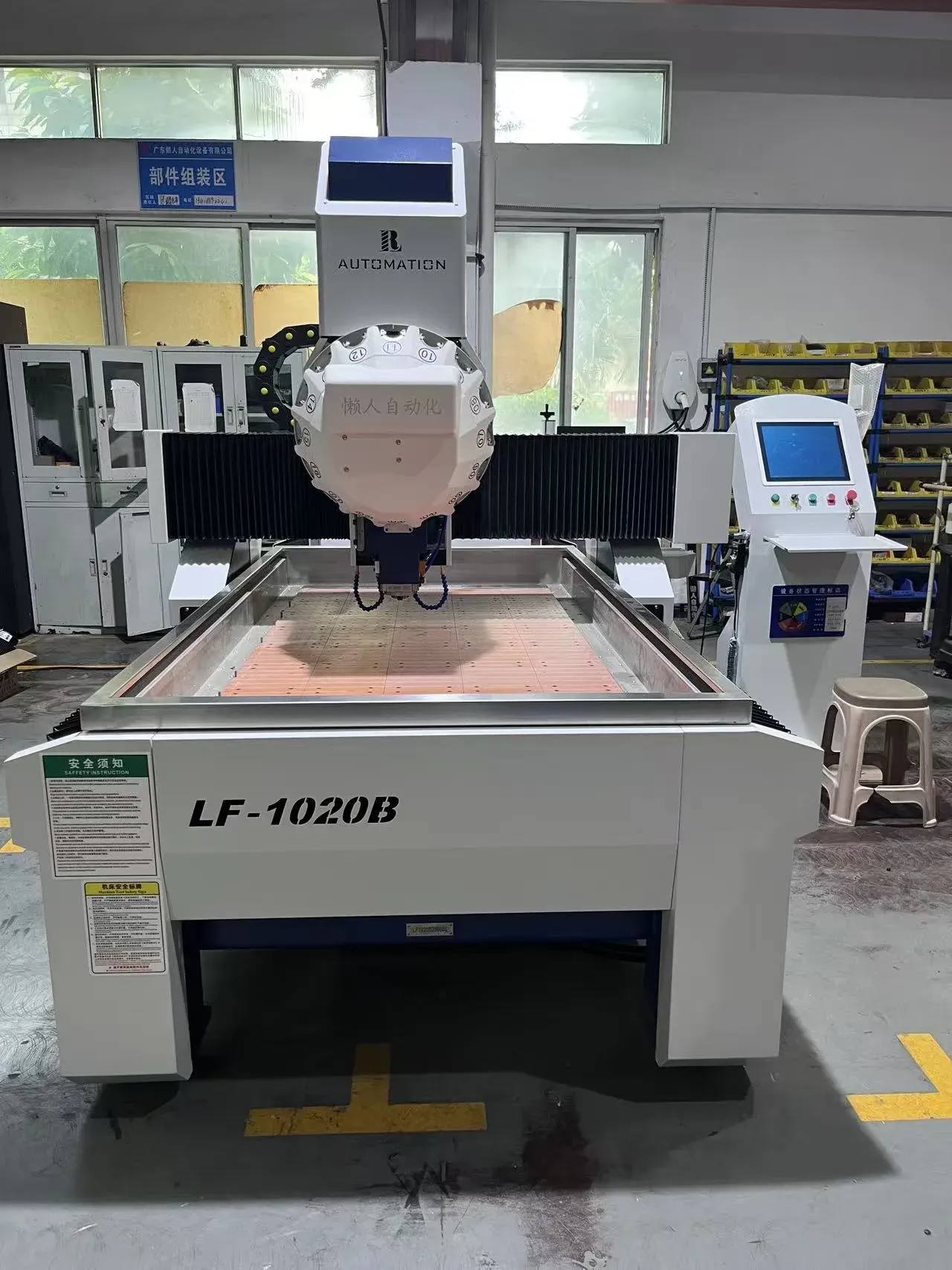
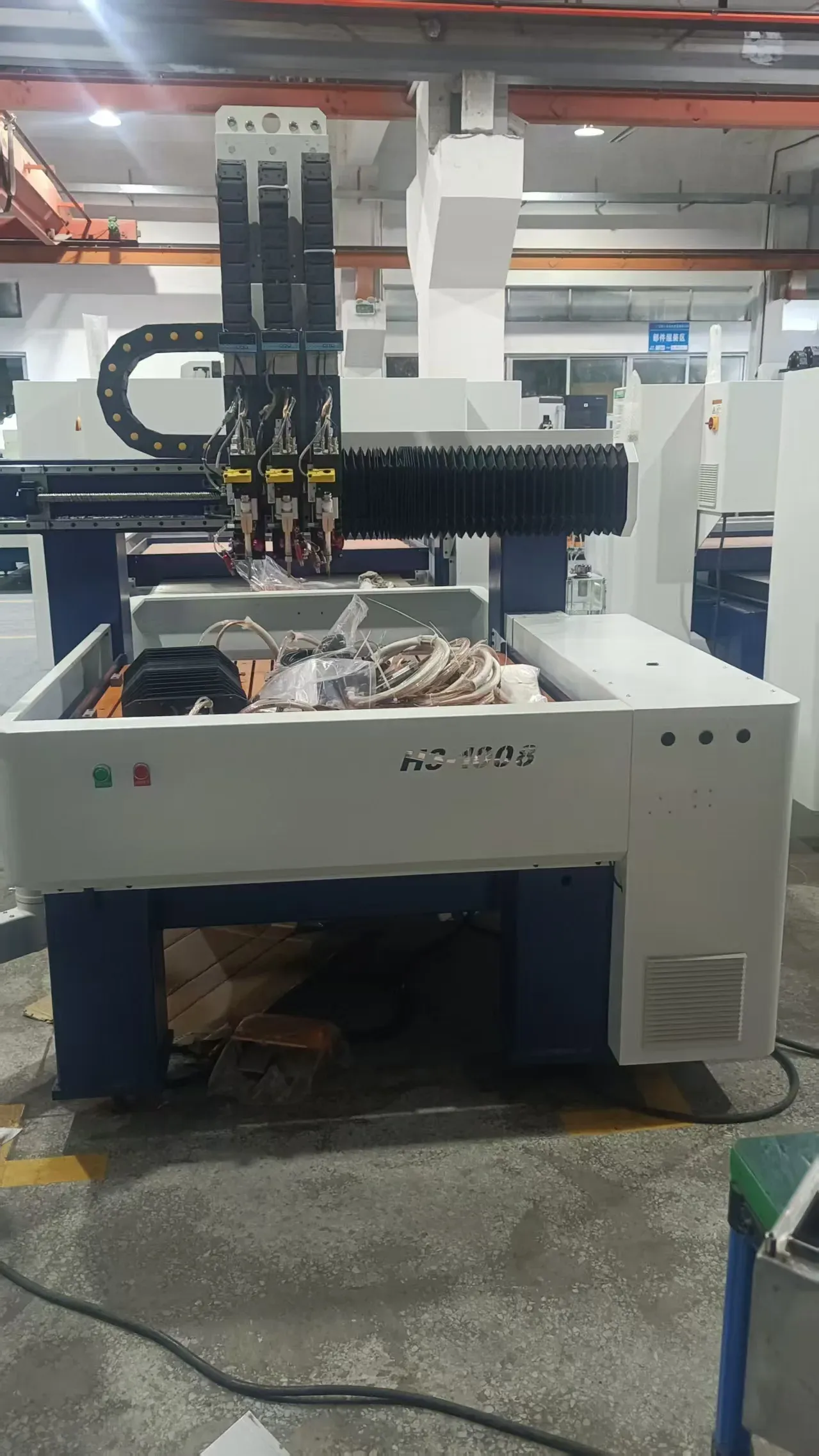
Adding a private-label machine to your portfolio can be a good move: your brand on the nameplate, your margin on the invoice, and a product that fits next to the press brakes and lasers you already sell. It can also go wrong quickly — late shipments, unclear certification, or a supplier who disappears when a customer needs a spare part.
This checklist covers the questions worth asking before you sign, and what to listen for in the answers.
1. Who actually builds the machine?
Ask whether the supplier manufactures the machine or sources it from another factory. A trading company can still be a good partner, but you should know which one you are dealing with — it affects lead time, customization, and who solves technical problems.
What a good answer sounds like: a clear explanation of what is made in-house, what is sourced, and who is responsible for final assembly and testing.
2. What exactly can be branded?
"Private label" can mean anything from a sticker on the crate to a full brand program. Clarify the scope in writing:
• Machine nameplate and logo
• Control panel branding
• Manuals and documentation
• Packaging and shipping marks
• Product photos and catalog copy for your market
A supplier that supports custom logos should be able to show you where the logo appears and what it costs to change it later. We support custom logos.
3. Can you test before you stock?
Ask for a sample trial or a trial run on your own parts. A sample tells you more than a brochure: hole quality, cycle behavior, changeover, noise, and how the machine feels to an operator. We support sample trials and trial orders — send the parts you want to test.
For a first order, a low minimum helps: a minimum order quantity (MOQ) of 1 unit lets a distributor test the market without committing to a container.
4. What is the real lead time?
Ask for the lead time for a standard configuration and for a customized one — they are often different. Also ask what starts the clock: order confirmation, deposit, or drawing approval. For standard machines, the lead time is 25 working days; customized configurations are confirmed separately.
A clear answer separates standard production time from customization and shipping. Vague answers usually mean the supplier is quoting from hope rather than a production plan.
5. Which certifications exist, and what do they cover?
For European buyers, CE marking is a key question. Ask for the certificate or declaration and check which models and configurations it covers. A certificate for one model does not automatically cover a customized machine.
Also ask who is responsible for the technical file and what happens if a customer's authority asks for documentation.
6. What support will your customers get?
Buying a machine is the start of a long-term relationship. Ask:
• What is the warranty period, and what does it exclude?
• Are spare parts available, and how fast?
• Who answers technical questions — the factory or a local agent?
• Is remote support available for the control system?
Our machines carry a 12-month warranty.
A distributor's reputation depends on what happens after the sale, not only on the machine's price.
7. What are the commercial terms?
Clarify MOQ, payment terms, packaging, and territory rules in writing. Ask specifically about:
• Minimum order quantity for standard and customized machines
• Payment schedule for a first order
• Exclusive territory or first-refusal rights (and what they require from you)
• Price validity and currency
Red flags to watch for
• "We are the factory" but no clear answer about which parts are made in-house.
• No sample policy and no willingness to run your parts.
• Certification claims without documents or a scope that is never defined.
• No spare-parts list and no named technical contact.
• A price that is far below the market with no explanation of what was removed.
How to run a small trial
1. Pick two or three representative parts from your customers.
2. Ask for a sample run or a video of the exact operation.
3. Check hole quality, cycle behavior, and changeover between parts.
4. Ask for the documentation package you would hand to a customer.
5. Confirm spare-parts and support terms before placing a stocking order.
Why sheet metal equipment fits a distributor portfolio
Distributors who already sell press brakes, lasers, or shears can extend their range with drilling, counterboring, tapping, or stud welding. A private-label machine can cover that part of the range — provided the supplier behind it is transparent about manufacturing, certification, and support.
Next step
If you are evaluating a private-label sheet metal machine, send us the parts you want to test and the market you sell into. Our team can review the configuration, the branding scope, and the sample process with you. MOQ is 1 unit; machines carry a 12-month warranty and CE.