Buying Guides
How to Choose a CNC Drilling and Tapping Machine for Sheet Metal and Plate
Spindle power, working envelope and tool storage decide what a drilling and tapping machine can run. Here is how to size the L and LF series to the parts you quote.
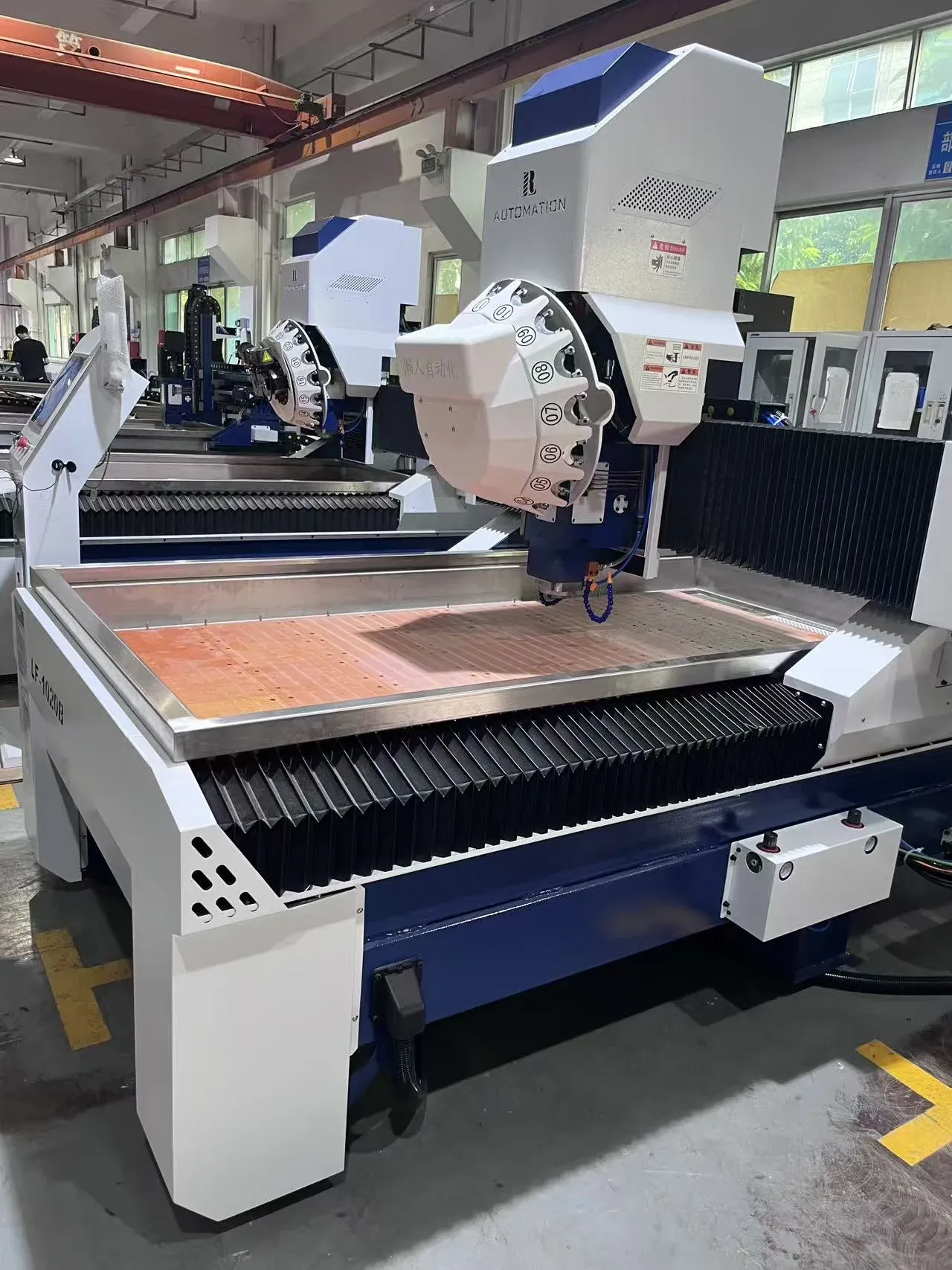
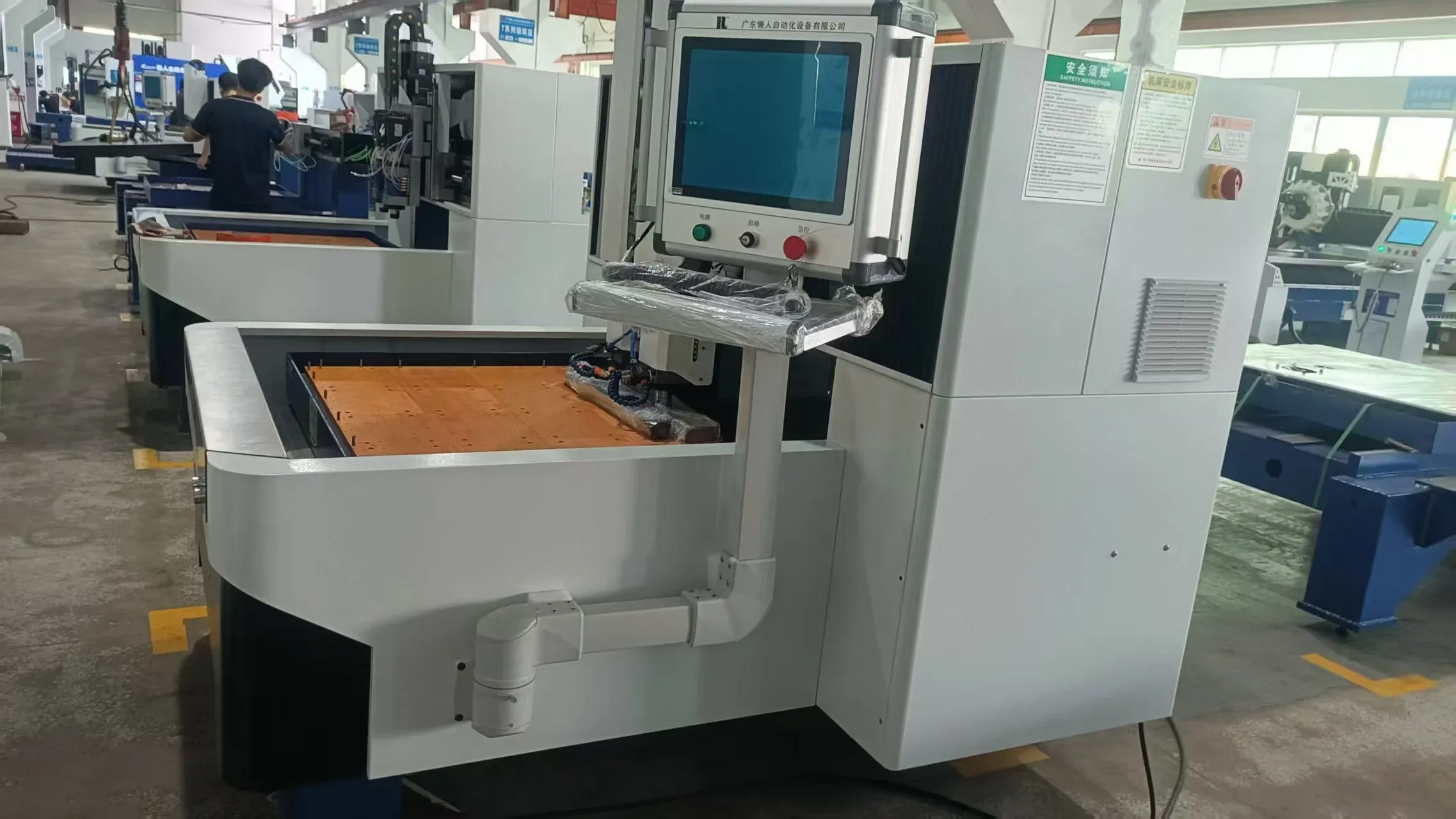
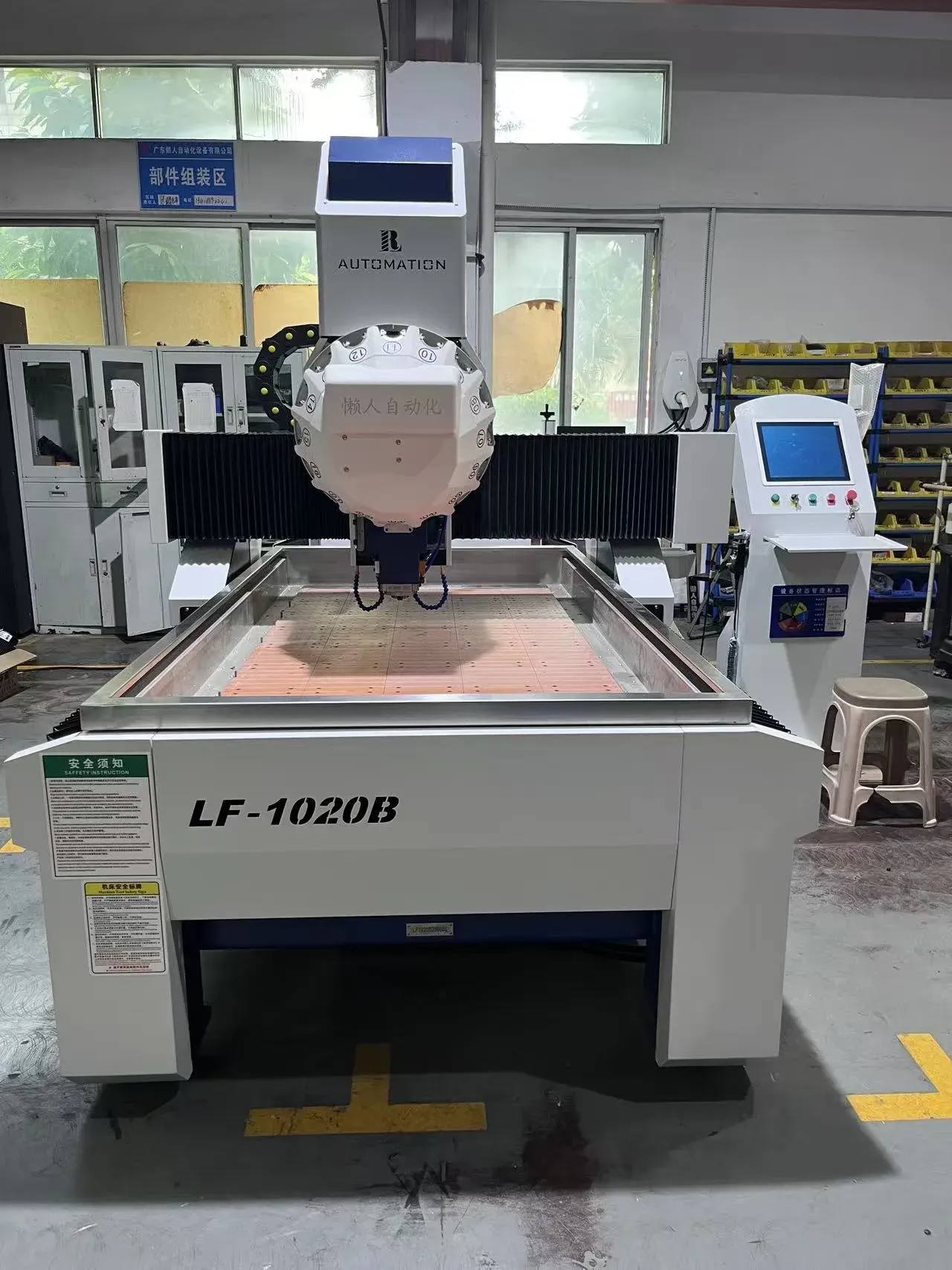
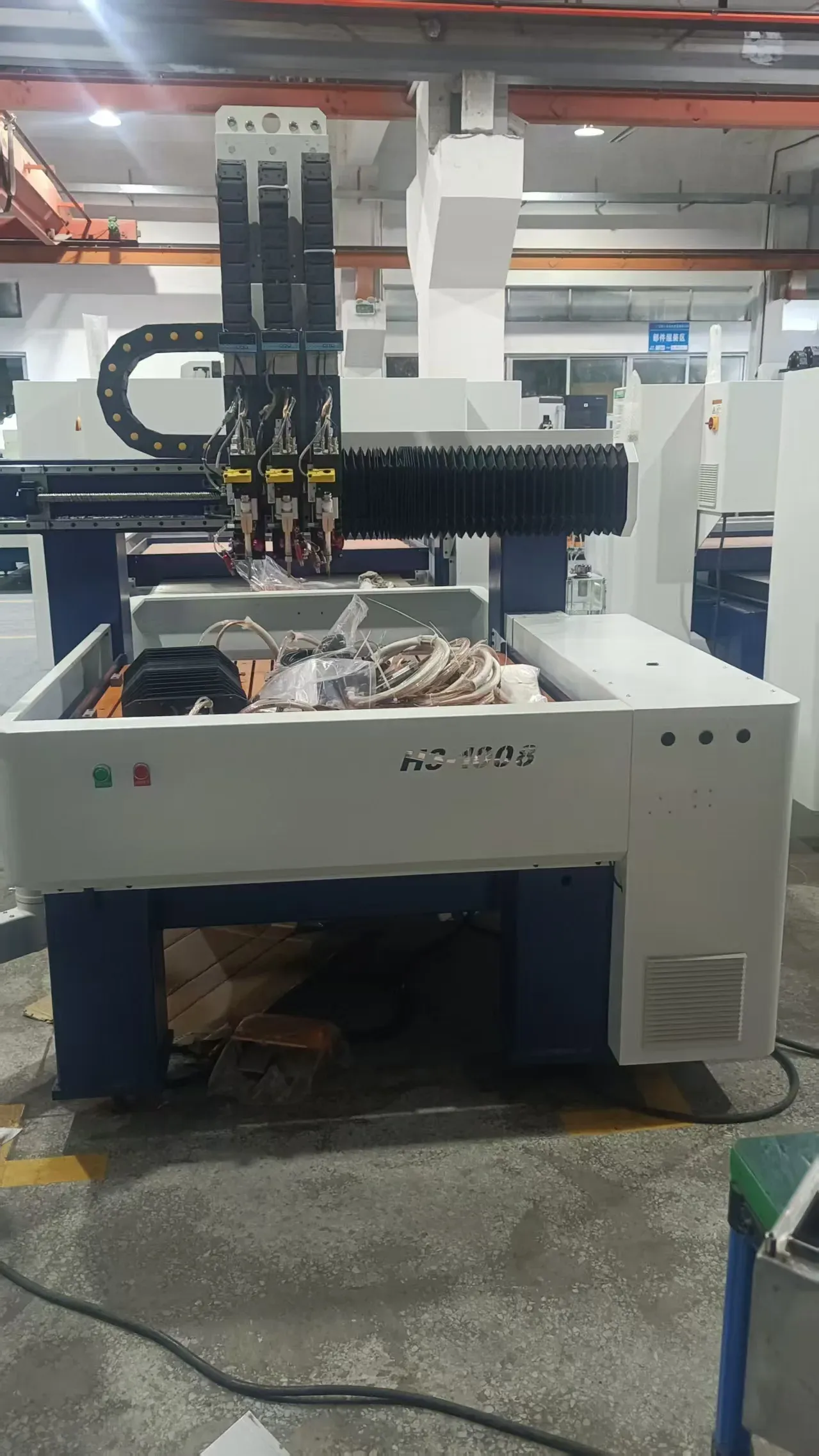
The L and LF series are six-axis CNC centers that counterbore, tap and mill in a single setup. The plate stays clamped while the tools change, so every operation shares one datum — and the handling between drilling, tapping and milling disappears.
What the L and LF Series Share
Every machine in the series runs the same six-axis CNC platform with an automatic tool change magazine: 16 stations as standard. Online and offline programming are both supported, and CNC fool-proofing addresses missed holes and missed tapping before they reach the plate. Precision is described as high with product quality held constant, and positioning and clamping are specified as straightforward. The structure is rigid enough for sheet metal counterbore and tapping and for thicker plate work — the same machine is specified to replace the drill press, the tapping machine and the milling station.
Start From the Largest Plate You Quote For
Four models cover the range: LF1020B at 1000 x 2000 mm, LF-1325B at 1300 x 2500 mm, LF1530B at 1500 x 3000 mm and LF2040B at 2000 x 4000 mm. Z-axis travel is 200 mm across the series. Size the table from the largest part you expect to quote for — not the average one — and leave clamping clearance on top of that. Then check the floor: the machine measures from 3200 x 1900 x 2150 mm to 5400 x 2950 x 2300 mm depending on model, weights run from 3000 kg to 7000 kg, and power supply capacity is 22 kV.A.
The Spindle and the Tool Magazine
All four models carry a BT30 spindle running up to 8000 rpm, with ER25 collets and 4 kW of spindle power. The 16-station magazine is what turns that spindle into a production tool: drilling, tapping and milling tools for the same pattern stay on board, and the tool change happens inside the cycle instead of between operations. Idle speed is 40 000 mm/min on the LF1020B and 60 000 mm/min on the three larger models, so long traverses between hole groups do not dominate the cycle time.
Moving Gantry, Rigid Frame
All four models use a moving gantry layout. The manufacturer describes the structure as rigid, and that rigidity is why the same machine is specified for two different worlds: sheet metal counterbore and tapping on one hand, thicker plate work on the other. When you evaluate one, test both ends of your own range — your thinnest panel and your heaviest plate — because that spread is exactly what the platform is built to cover.
Programming: Online, Offline, or Both
Online and offline programming are both supported across the series, which matters if the same shop both edits at the machine and prepares jobs in the office. The CNC fool-proofing runs from the program: the machine checks the pattern rather than relying on the operator to catch a missed hole or missed tapping. In a demonstration, ask to run a real program from your own production — including the tapping steps — rather than a prepared sample.
Materials and the Work It Replaces
The series is built for counterbore and tapping in the sheet metal industry and for counterbore, tapping and milling in machining work, on aluminum plate, aluminum profile, steel plate and square tube. That spread is the point: one setup replaces the drill press, the tapping machine and the milling station, so a part that used to be carried between three machines is finished where it is clamped. Less handling also means less scratching along the way.
A Sizing Checklist
Work down this list before you talk models: the largest plate in your quotation history (walk it against the four envelopes), the tallest part plus fixture height (against 200 mm of Z travel), how many different tools one pattern needs (against the 16-station magazine), the heaviest plate you lift (against 3000 kg to 7000 kg of machine weight and your lifting plan), and the bay plus power supply (against the footprint range and 22 kV.A).
Next Step
Send a drawing of your largest plate with its material, thickness and the operations involved — counterbore, tapping, milling — and our team will confirm the model from LF1020B to LF2040B and the tooling configuration. That gives you a machine sized from your parts, rather than a shortlist sized from a catalogue.