Buying Guides
How to Choose a CNC Counterbore and Tapping Machine for Sheet Metal
A CNC counterbore and tapping machine that runs up to 108 counterbores per minute, imports DXF and generates G-code directly, and prevents missed or wrong holes. How to choose among the six T series m
1. Where manual counterbore tapping fails
Counterbore and tapping on sheet metal is usually done by hand, one hole at a time. A missed hole or a wrong hole is easy to overlook, and a missed countersink can scrap a finished panel — an elevator door or an enclosure panel, for example. Re-clamping the sheet to fix it scratches the surface and adds handling time. The work also depends on a skilled operator, and the result varies from person to person.
2. How the T series works
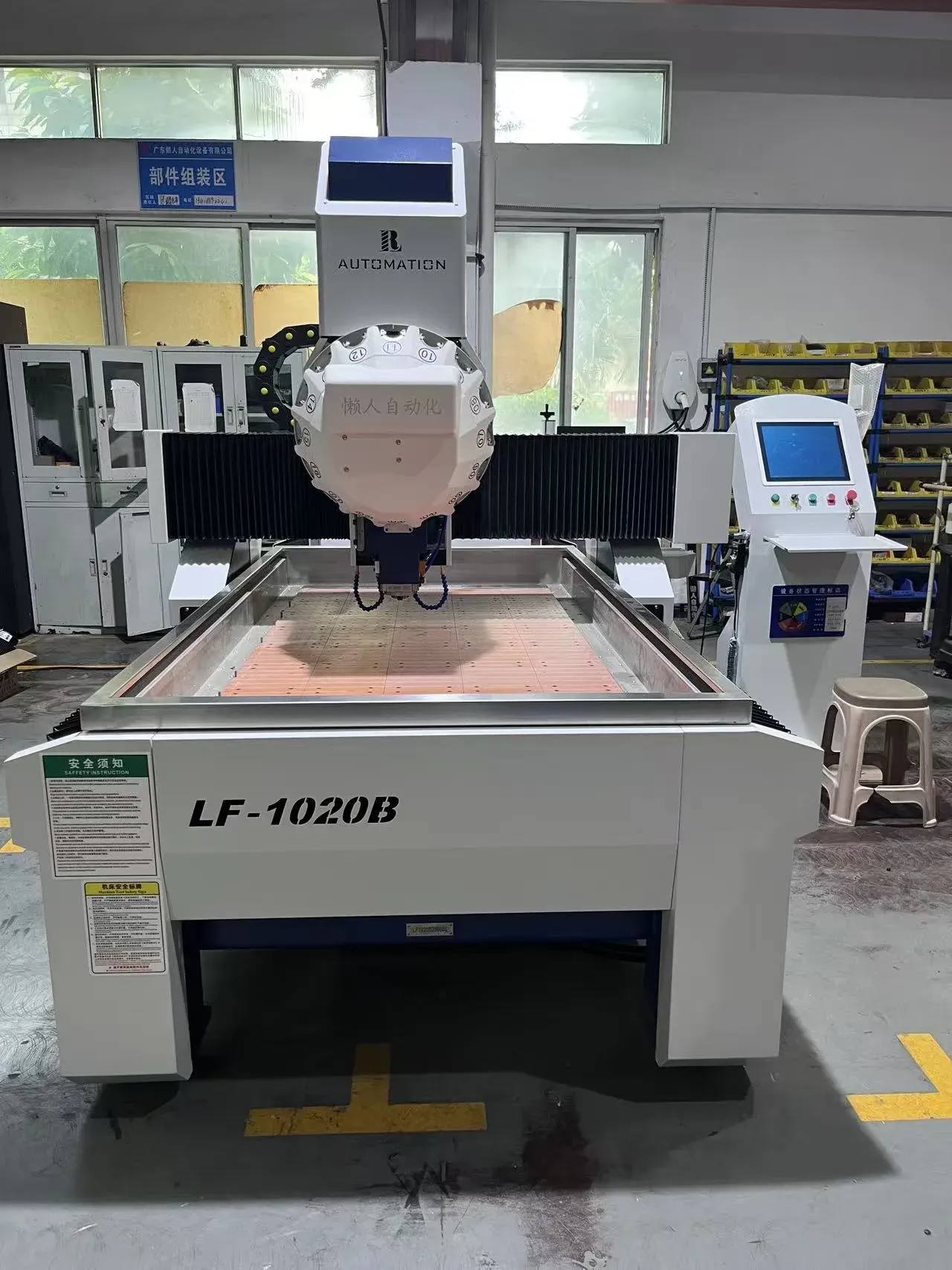
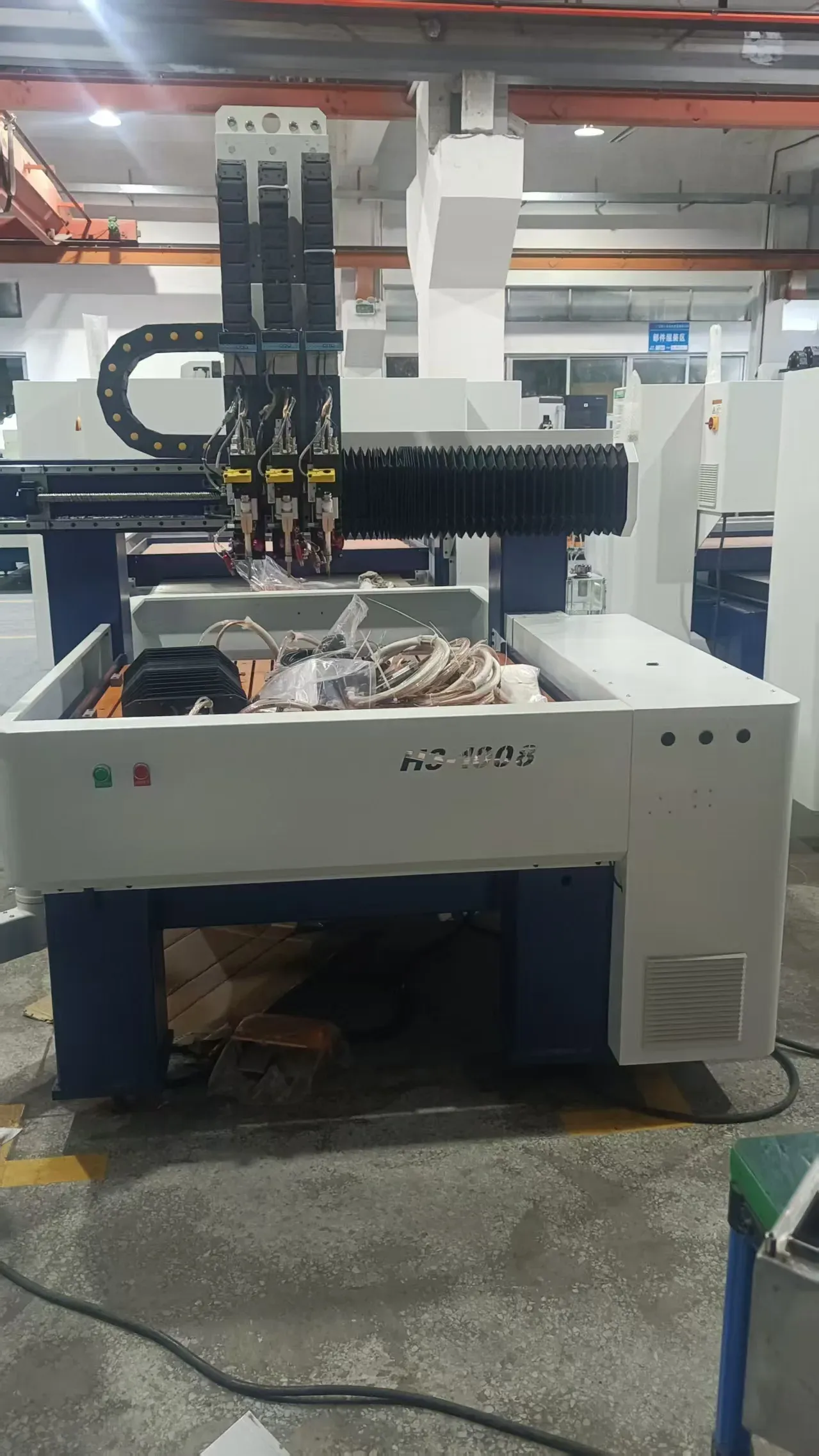
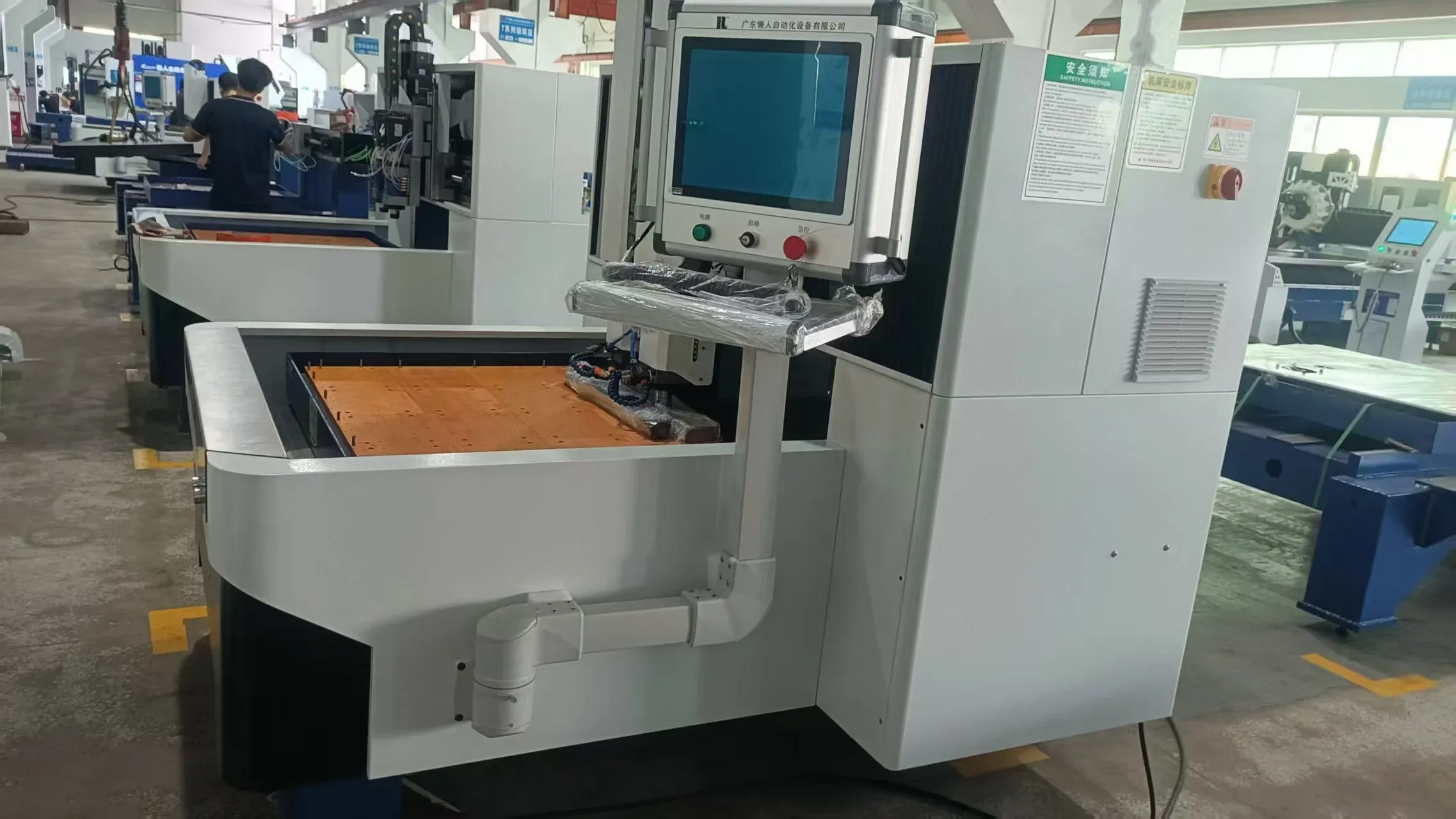
The CNC Sinking Hole Tapping Machine (T series) is a multi-axis CNC machine for counterbore and tapping in sheet metal. It also handles fixture-clamp non-metallic carving and milling. Processes covered: counterbore, hot-melt and tapping.
- DXF in, G-code out: the programmable CNC system imports DXF files online and generates G-code directly. A general operator can run it without specialist programming.
- Missed-hole prevention: CNC control prevents missed and wrong holes, so the machine is fool-proofed against the most common manual error.
- Speed: up to 108 counterbores per minute.
- Less scratching: fewer re-clampings and less manual handling mean less plate scratching.
- Simple clamping: workpieces are convenient to position and easy to clamp.
3. Six models: how to choose
Choose by the largest panel you run, the number of holes per panel, and the material and thickness. The machining range must cover the largest panel; the number of spindles and the gantry type decide the throughput on panels with many holes.
Model | Machining range (mm) | Spindles | Max spindle speed (rpm) | Z travel (mm) | Idle speed (mm/min) | Gantry | Controlled axes | Spindle power (kW) |
|---|---|---|---|---|---|---|---|---|
T2-1008 | 1000×800 | 2 | 3000 | 200 | 40000 | Fixed | 6 | 1 |
T2-1510 | 1500×1000 | 2 | 3000 | 200 | 40000 | Fixed | 6 | 1 |
T3-1512 | 1500×1200 | 3 | 3000 | 200 | 40000 | Fixed | 8 | 1 |
TL-1020 | 1000×2000 | 3 | 3000 | 200 | 60000 | Moving | 9 | 1 |
TL-1325 | 1300×2500 | 3 | 3000 | 200 | 60000 | Moving | 9 | 1 |
TL-1530 | 1500×3000 | 3 | 3000 | 200 | 60000 | Moving | 9 | 1 |
All six models use an ER25 collet, 1 kW spindle power and online and off-line programming. The T2 models are fixed gantry; the TL models are moving gantry with 9 controlled axes and a 60000 mm/min idle speed. Approximate weights run from 1400 kg (T2-1008) to 4000 kg (TL-1530). The largest machining range in the series is 1500×3000 mm (TL-1530).
4. What to send before a quote
Send these four items and the model and configuration can be confirmed against your part:
- Part material and thickness.
- Largest panel size.
- Operations needed — counterbore, tapping, hot-melt — and holes per panel.
- Part drawings (DXF if available).
5. Common questions
- Do I need a programmer to run it? No. The system imports DXF files and generates G-code directly, so a general operator can run it.
- How does it prevent missed holes? CNC control runs the programmed hole pattern and prevents missed and wrong holes, instead of relying on the operator to count holes by hand.
- What is the fastest model? All six models run up to 108 counterbores per minute. The difference between models is machining range, spindle count and gantry type, not the headline speed.
- Which model fits my largest panel? Match the machining range to the panel: T2-1008 covers 1000×800 mm, TL-1530 covers up to 1500×3000 mm. Send the largest panel size to confirm.
- Can it do anything besides counterbore and tapping? Yes — hot-melt work, and fixture-clamp non-metallic carving and milling.
Contact
Lazy Automation — Guangdong Lazy Automatic Equipment Co., Ltd, Dongguan, China.
Email: yuanrongbing8@gmail.com · Tel: +86 139 0269 5283 · www.lazy-auto.com