Buying Guides
Counterbore vs Countersink vs Tapping
Counterbore, countersink and tapping solve different fastening problems. Learn when to use each and how to choose the right hole operation for sheet metal.
Three hole operations can appear in the same sheet metal shop, yet they are not interchangeable: counterboring, countersinking, and tapping answer three different questions. Choosing the wrong one costs time, tooling, and sometimes a rejected part. This guide explains the difference in plain terms and shows how to decide which operation your parts actually need.
The short answer
• Countersink creates a conical seat so a flat-head screw sits flush with the surface.
• Counterbore creates a flat-bottomed recess so a socket-head screw or bolt head sits below the surface.
• Tapping cuts internal threads into a hole so a screw or bolt can be fastened into it.
When a panel needs both a counterbore and a tapped hole, doing both in one setup removes a transfer between stations.
At a glance: how the three operations compare
Countersink — Hole shape: Conical (commonly 82° or 90°); Fastener / connection: Flat-head screw; Typical sheet metal use: Flush covers, doors, panels; Main risk: Seat too deep or too shallow
Counterbore — Hole shape: Cylindrical with a flat bottom; Fastener / connection: Socket-head screw, or bolt with washer; Typical sheet metal use: Cabinet frames, brackets, load-bearing seats; Main risk: Removing too much material on thin sheet
Tapping — Hole shape: Hole with internal thread; Fastener / connection: Screw or bolt threaded into the panel; Typical sheet metal use: Mounting points, serviceable joints; Main risk: Wrong pilot hole; limited thread in thin sheet
Countersink: a conical seat
A countersink uses a conical cutter to cut an angled seat around the hole. The angle usually matches the screw head — 82° or 90° are common in sheet metal.
Typical uses:
• Flat-head screws that must sit flush with a panel surface
• Cover plates, doors, and panels where a smooth face matters
• Light-gauge sheet where a shallow seat is enough
Watch out for: the seat depth depends on the screw head and material thickness. Too deep and the head sits below the surface; too shallow and it stands proud.
Counterbore: a flat-bottom seat
A counterbore cuts a cylindrical recess with a flat bottom. The screw head or washer sits on the flat floor of the recess, which spreads the load and keeps the head below the surface.
Typical uses:
• Socket-head cap screws and bolts with washers
• Cabinet frames, machine covers, and brackets that need a flush, load-bearing seat
• Holes where the fastener must not protrude into a moving part or a sealed area
Watch out for: the counterbore diameter must match the screw head, and the depth must leave enough material below. On thin sheet, a counterbore can remove too much of the section.
Tapping: internal threads
Tapping cuts threads into a hole so a screw can be driven in. In sheet metal, tapping is common on thicker panels, brackets, and parts that will be assembled and serviced repeatedly.
Typical uses:
• Mounting points for components, covers, and brackets
• Threaded holes that would otherwise need a separate nut or rivet nut
• Parts where the thread must be in the panel itself
Watch out for: hole size must match the tap, and chip control matters. In thin sheet, thread engagement is limited — which is why some parts use self-clinching fasteners instead of tapped holes.
Can one machine do counterbore and tapping?
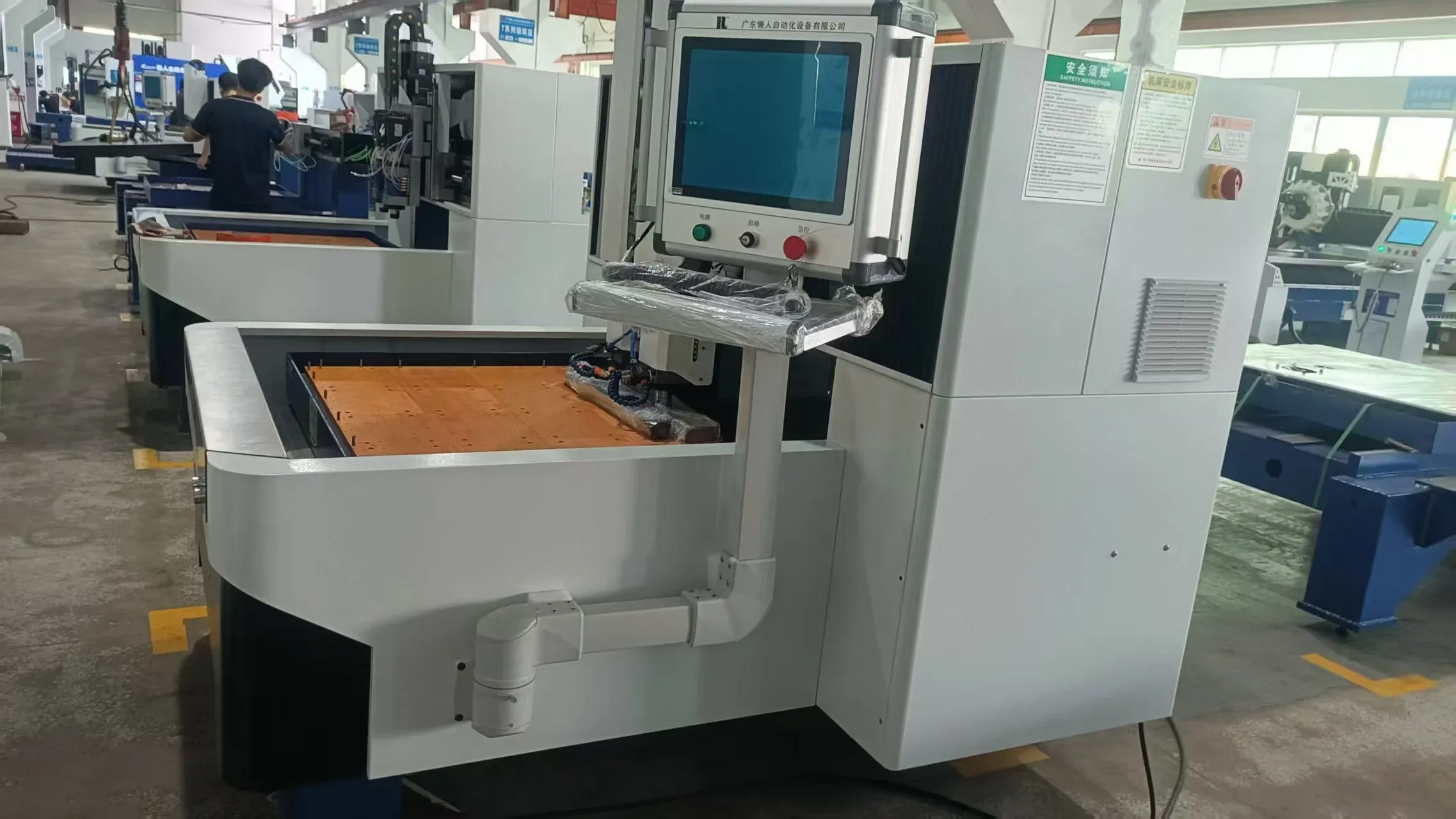
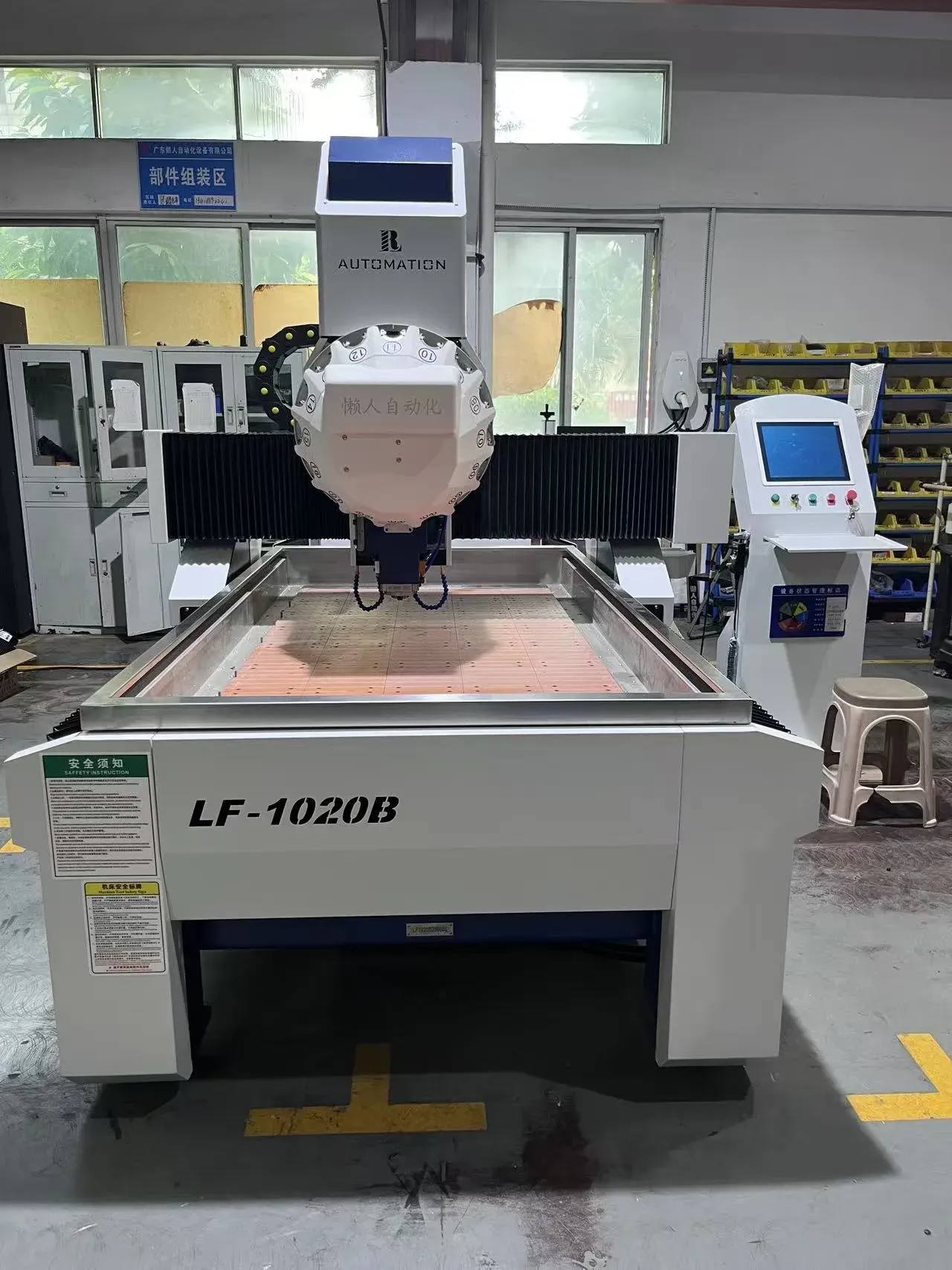
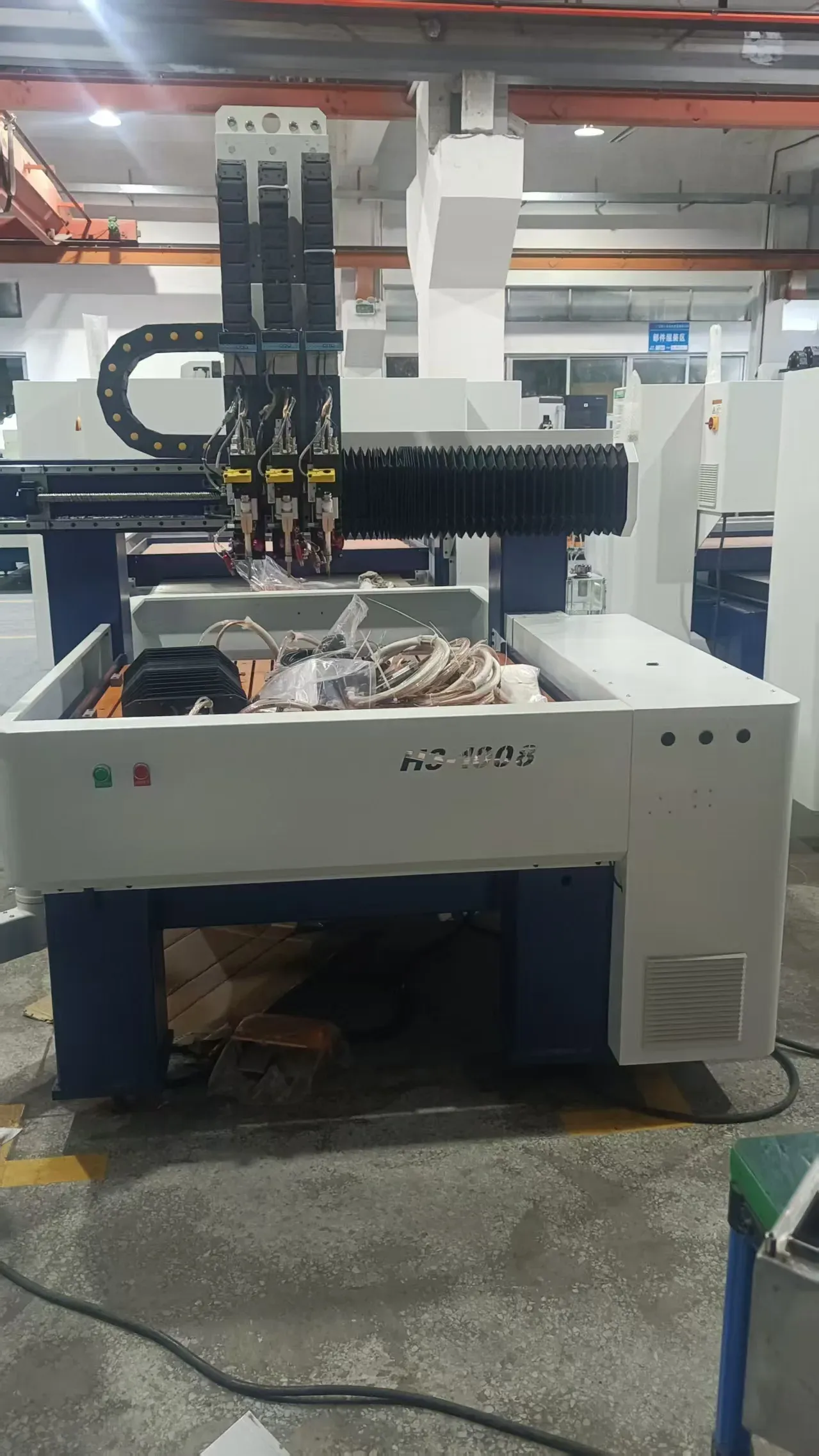
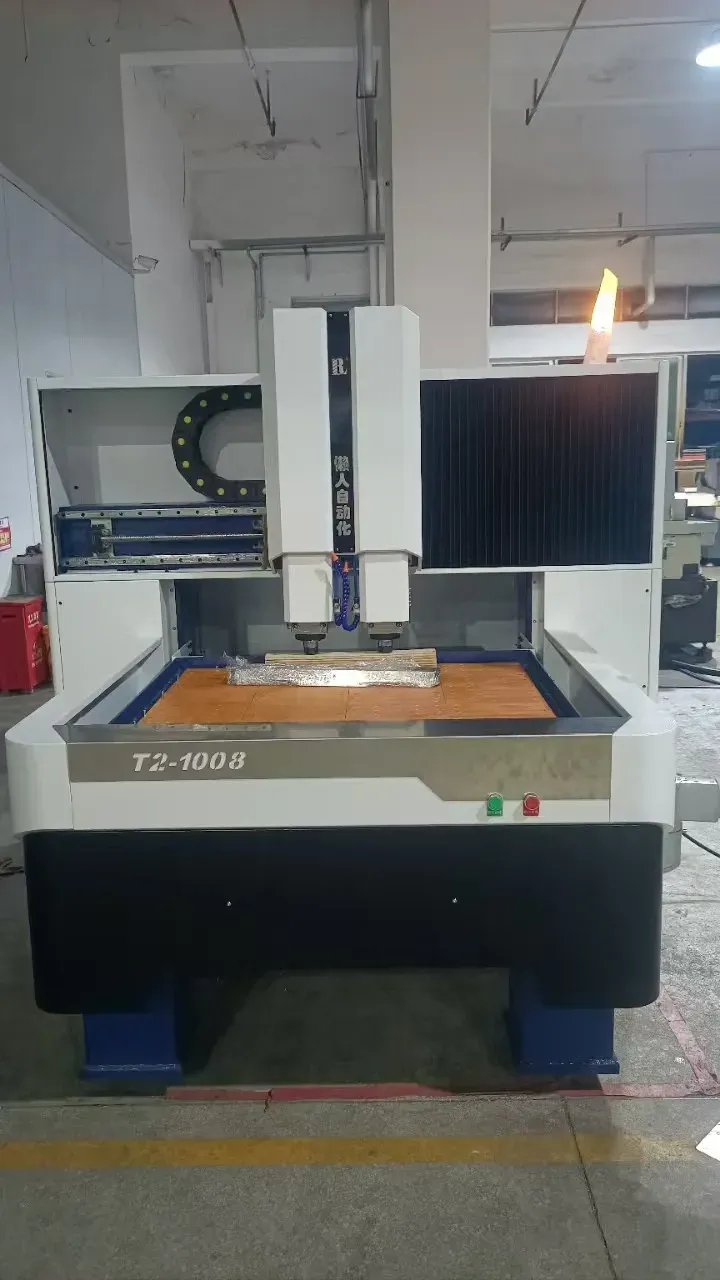
Yes — and this is where a CNC counterbore and tapping machine changes the process. Instead of moving a panel between a drill press with a counterbore tool and a tapping station, the machine performs both operations in one cycle. Countersinking remains a separate operation and is not part of the cycle described here.
On the T-series, the control imports a DXF file and generates G-code automatically, so no part programming is needed; offline G-code is also supported. The machine can be configured with 1–3 spindles, with up to three tools in one setup, and the error-proofing function is specified to avoid missed or wrong holes. Work tables measure up to 2100 × 3500 mm, depending on the model.
That combination is relevant when a shop runs several different panels in small batches — cabinet doors, mounting plates, covers, and brackets that change frequently.
When a single CNC machine is not the answer
A CNC counterbore and tapping machine fits when parts combine counterbores and tapped holes and setup effort matters. It is not the right answer for every shop:
• Very low volume or one-off parts: two manual stations may be enough; the setup time of any automated machine has to be earned back.
• Very thin sheet that needs strong threads: thread engagement in thin material is limited; self-clinching fasteners or rivet nuts may be the better joint.
• Parts larger than the machine table: check the working area (up to 2100 × 3500 mm on the T-series) before planning the process around one machine.
• Special materials or tooling: confirm that the required tools and speeds are supported before committing.
Being clear about these limits saves a costly wrong purchase.
How to choose: a practical checklist
• What does the fastener need? Flush flat head → countersink. Socket head or washer → counterbore. Threaded connection → tapping.
• How thick is the sheet? Thin sheet limits counterbore depth and thread engagement.
• How many holes and how many variants? High-mix, low-volume work can use DXF-driven setup and single-setup processing.
• Where is the hole located? Edge distance and hole spacing decide whether a fixture or a CNC table is the better fit.
• What finish is required? Avoiding scratches and burrs may matter as much as hole size.
• What happens downstream? If the panel goes straight to assembly, doing counterbore and tapping in one setup removes a handling step.
Quick decision guide
Needs a flat-head screw flush with the surface — Start with: Countersink
Needs a socket-head screw or washer below the surface — Start with: Counterbore
Needs a threaded connection in the panel itself — Start with: Tapping
Combines counterbores and tapped holes on one panel — Start with: CNC counterbore and tapping machine
Is very thin and needs strong threads — Start with: Consider self-clinching fasteners
Runs in very low volume — Start with: Manual stations may be enough
Common mistakes
• Using a countersink for a socket-head screw. The conical seat does not support the head properly.
• Tapping without the right pilot hole. The thread will be weak or the tap may break.
• Mixing operations across three stations. Each extra move adds handling and scratch risk.
• Choosing a machine by spindle count alone. Table size, tool capacity, and error-proofing decide whether the machine fits your parts.
FAQ
What is the difference between a counterbore and a countersink? A countersink is conical and seats a flat-head screw flush. A counterbore is cylindrical with a flat bottom and seats a socket-head screw or washer below the surface.
Can a tapping machine also counterbore? A dedicated tapping machine cannot counterbore. A CNC counterbore and tapping machine can perform both operations; on the T-series, both are done in one cycle with the same setup.
Do I need a separate machine for each operation? Not necessarily. If your parts combine counterbores and tapped holes, a single CNC machine removes the transfer between stations. For simple, low-volume work, separate manual stations may still be enough.
Do I need to program every part? With DXF import, the control generates the toolpath automatically; offline G-code is also supported. That can make the machine a practical option for high-mix work.
What about self-clinching fasteners? Self-clinching fasteners are a different joining method. They are common in thin sheet where a tapped thread would not be strong enough; the right choice depends on the joint design.
How do I test whether the machine fits my parts? Send a drawing or DXF and ask for a sample trial. A sample run shows hole quality, cycle behavior, and handling before you commit to a batch.
When should I avoid a counterbore? On very thin sheet, a counterbore can remove too much of the section. If the joint needs a strong thread or a flush head in thin material, a self-clinching fastener or a different joint design may be better.
Can I countersink and tap the same hole? They serve different purposes: the countersink seats the screw head, while the thread holds the screw body. A combined countersunk-and-tapped hole is possible for flat-head machine screws, but the tooling and sequence need to be planned for that part — it is not a default combination.
Next step
If your panels combine counterbores and tapped holes, send us a drawing or DXF and tell us the sheet thickness and batch size. Our team can review the drawing and advise on the operation sequence and table size for your parts. Sample trials and trial orders are supported; MOQ is 1 unit.